
WaitWell
Redesigning the Neurology Waiting Room Experience for Patients and Caregivers
Context
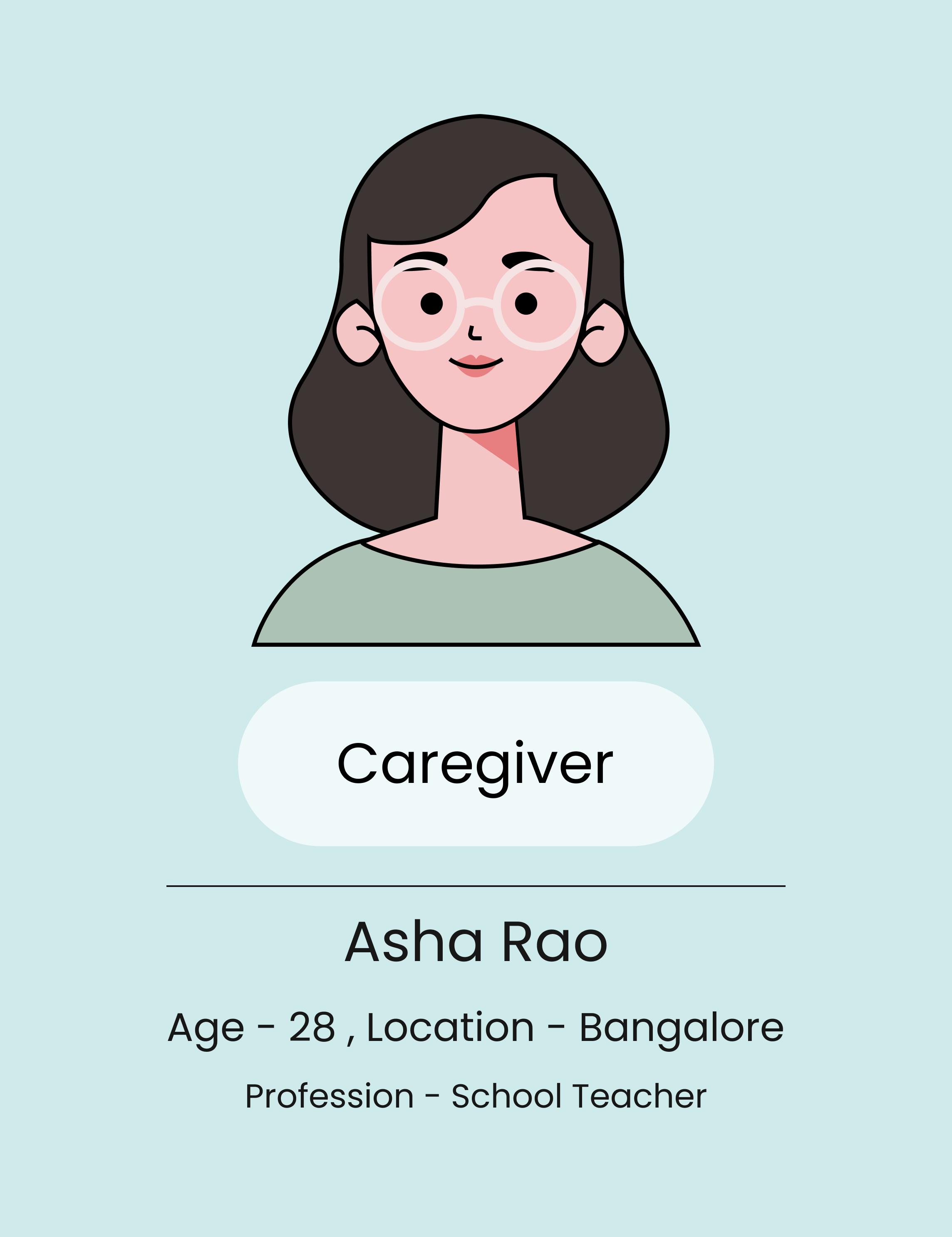
At neurology clinics in India, patients often wait for hours with little clarity on when they’ll be seen. These long, uncertain wait times affect not just the patients often dealing with conditions like Parkinson’s, Alzheimer’s, or epilepsy but also their caregivers, who navigate both emotional and logistical challenges.
Challenge
During field observations and informal interviews with families, I recognized that waiting was not just about time it was about uncertainty, anxiety, and emotional fatigue. This sparked the idea for WaitWell system to bring empathy, clarity, and calm to the waiting experience.
My Role
I led the end-to-end design process, taking charge of UX and UI design, visual identity, and interaction design. I also applied service design thinking to map user touchpoints across the physical and digital journey. From initial research and synthesis to final screen flows, I focused on creating an experience that was both emotionally supportive and functionally clear.
Goals

Discovery & Insights
Field Observations : I observed real-life waiting rooms in neurology clinics, noticing high emotional tension, lack of communication, and physical discomfort—especially among elderly patients and their caregivers.
Informal Interviews:
I spoke with 3 caregivers and 2 patients about their experiences. Key takeaways from them were
The system includes:
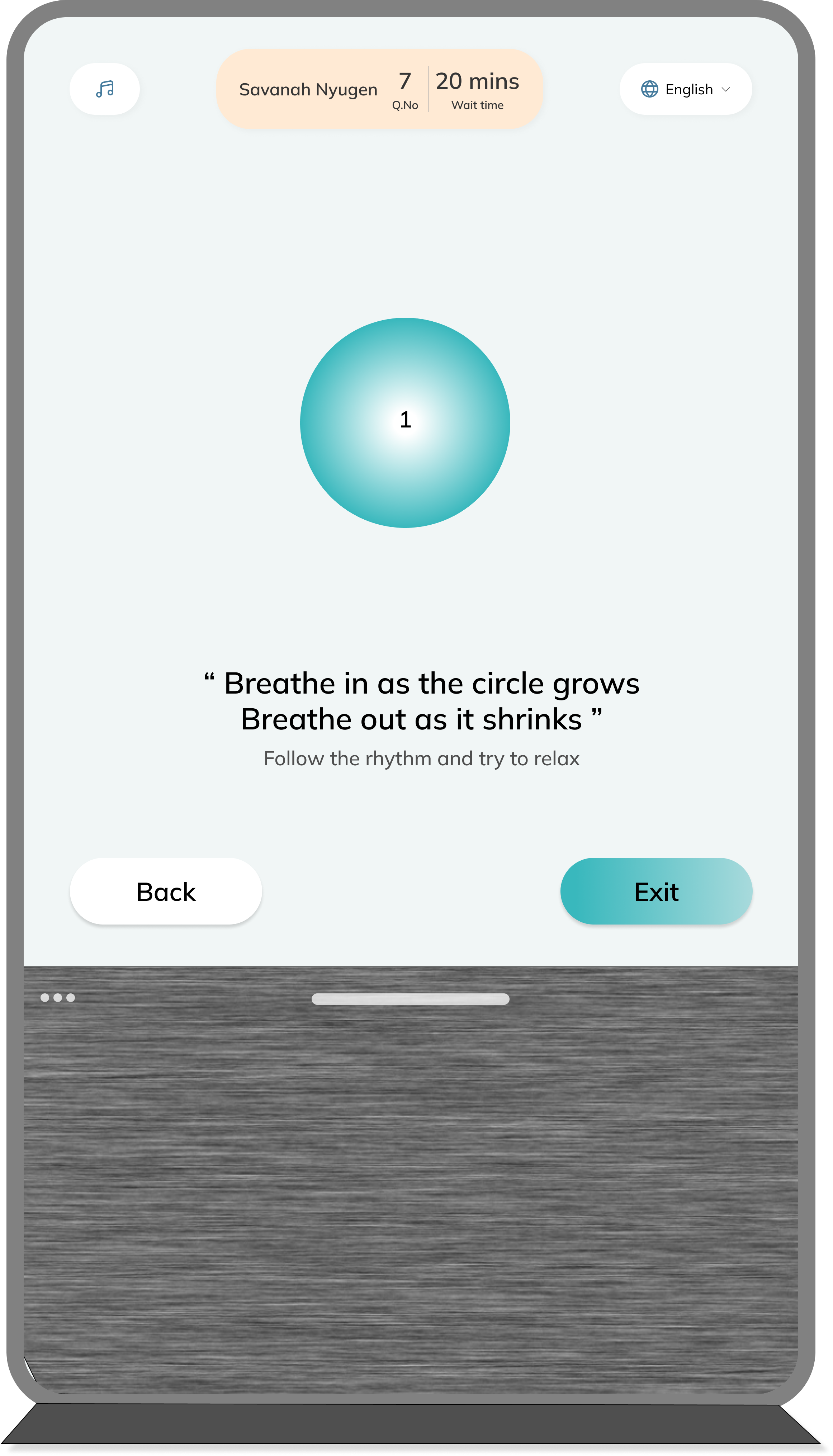
Emotional support tools like breathing exercises and anxiety check-ins
Information modules to mentally prepare caregivers and patients for consultations
Micro-engagements like mindfulness prompts and interactive cards to reduce perceived wait time
The article reinforced the importance of transforming waiting from frustration into value, which became a core design principle for WaitWell.

UI Design
The color palette was intentionally chosen using soft, muted tones like muted teal, and off-white along with accent colors & neutrals to create a soothing, non-clinical atmosphere. In environments like a neurology clinic waiting room, the palette plays a crucial role in reducing cognitive load, supporting emotional calm, and ensuring visual comfort for both patients and caregivers especially those with sensory sensitivities or neurological conditions.

Defining the System
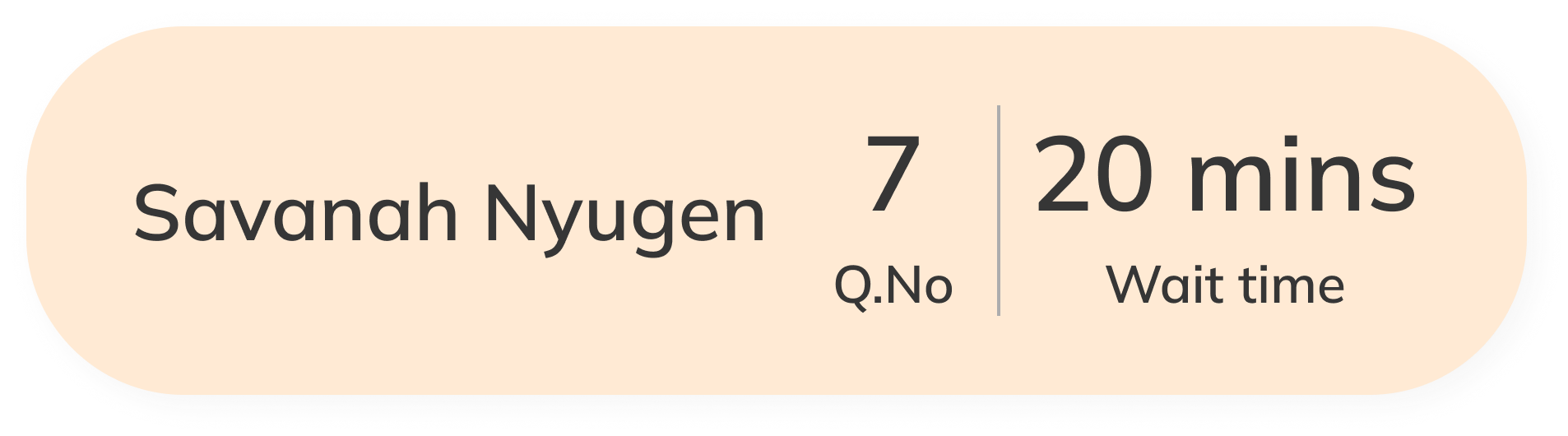
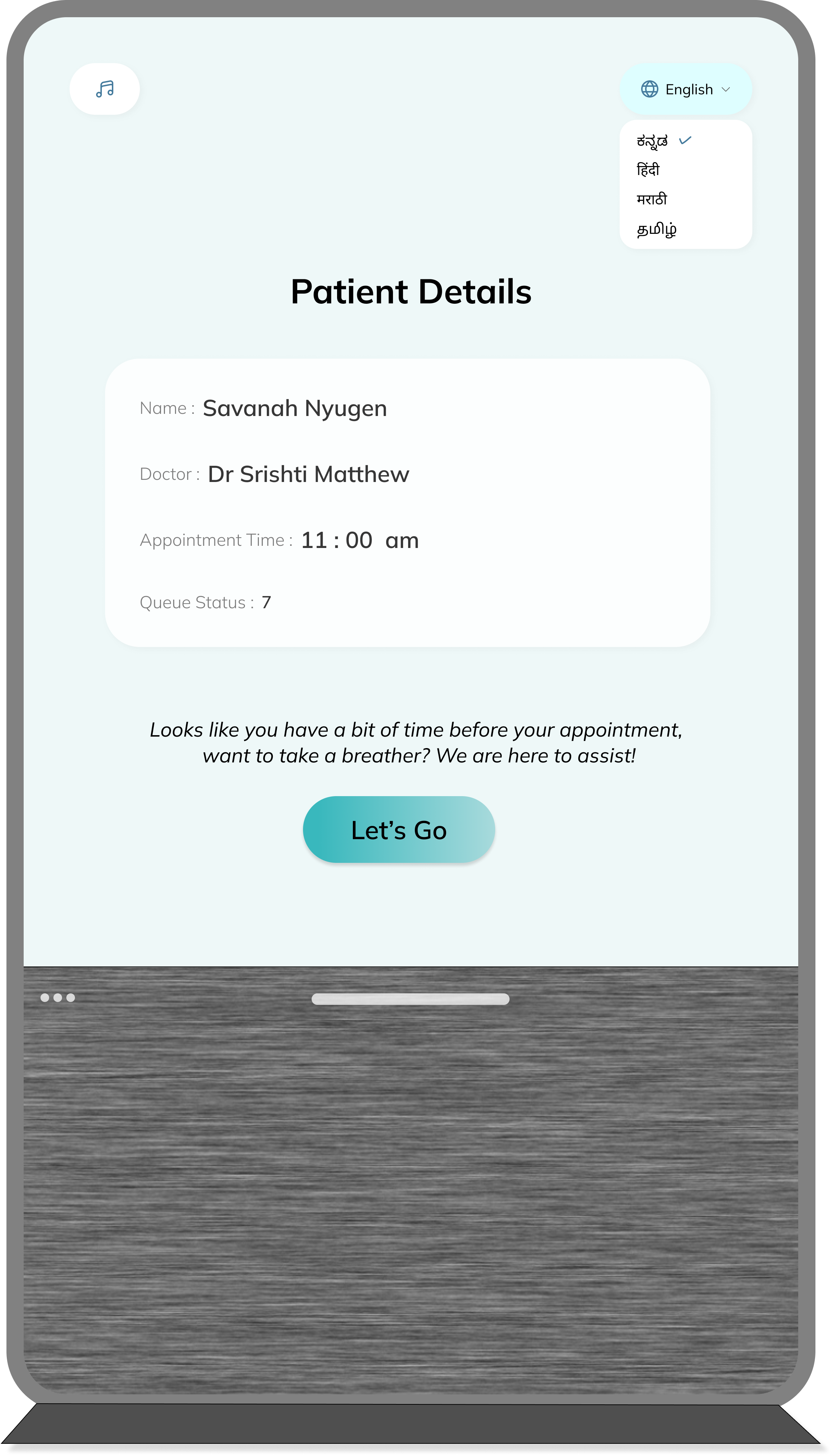
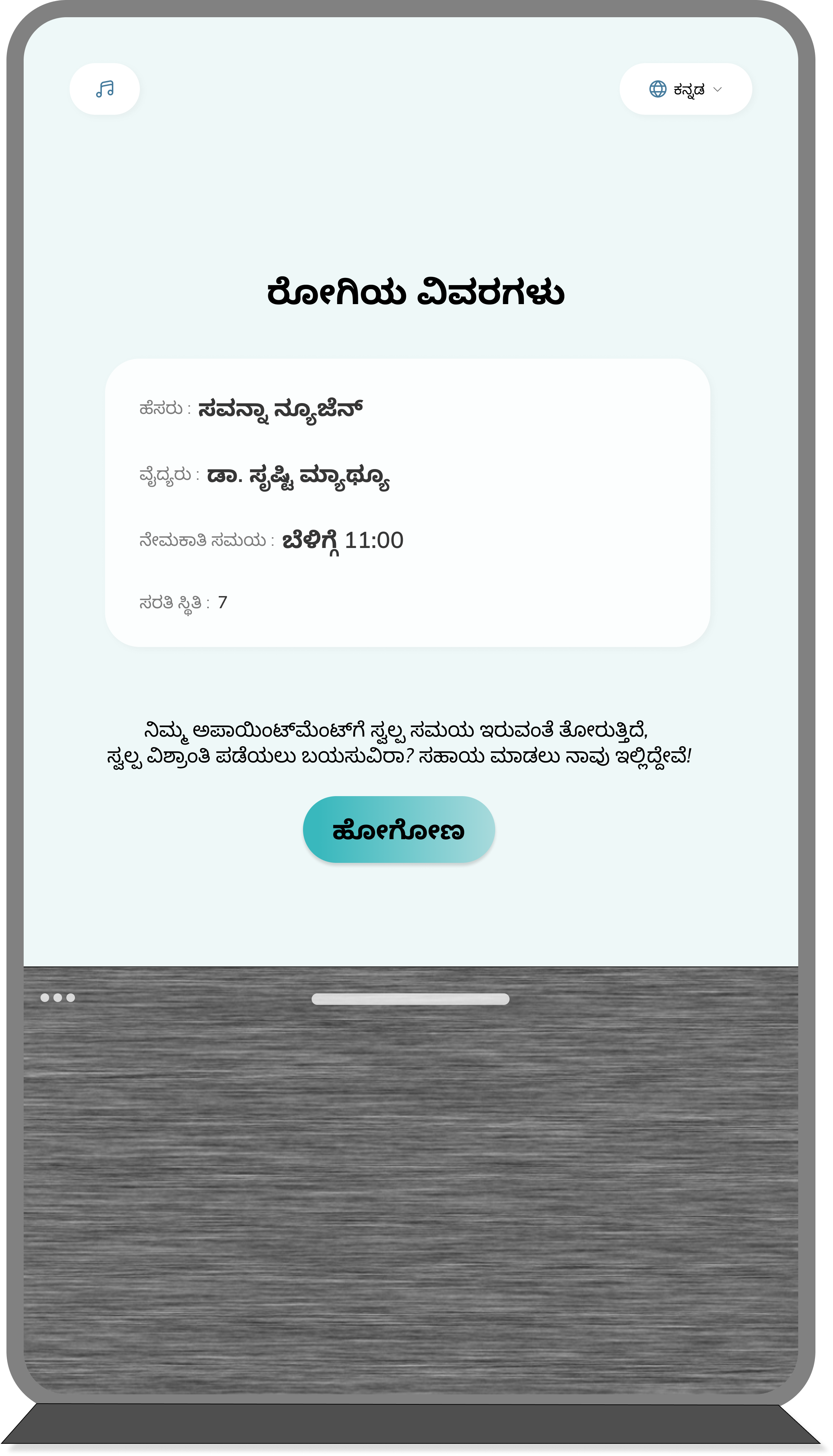
- Live Queue Tracking :Shows your position & estimated wait time in simple language.
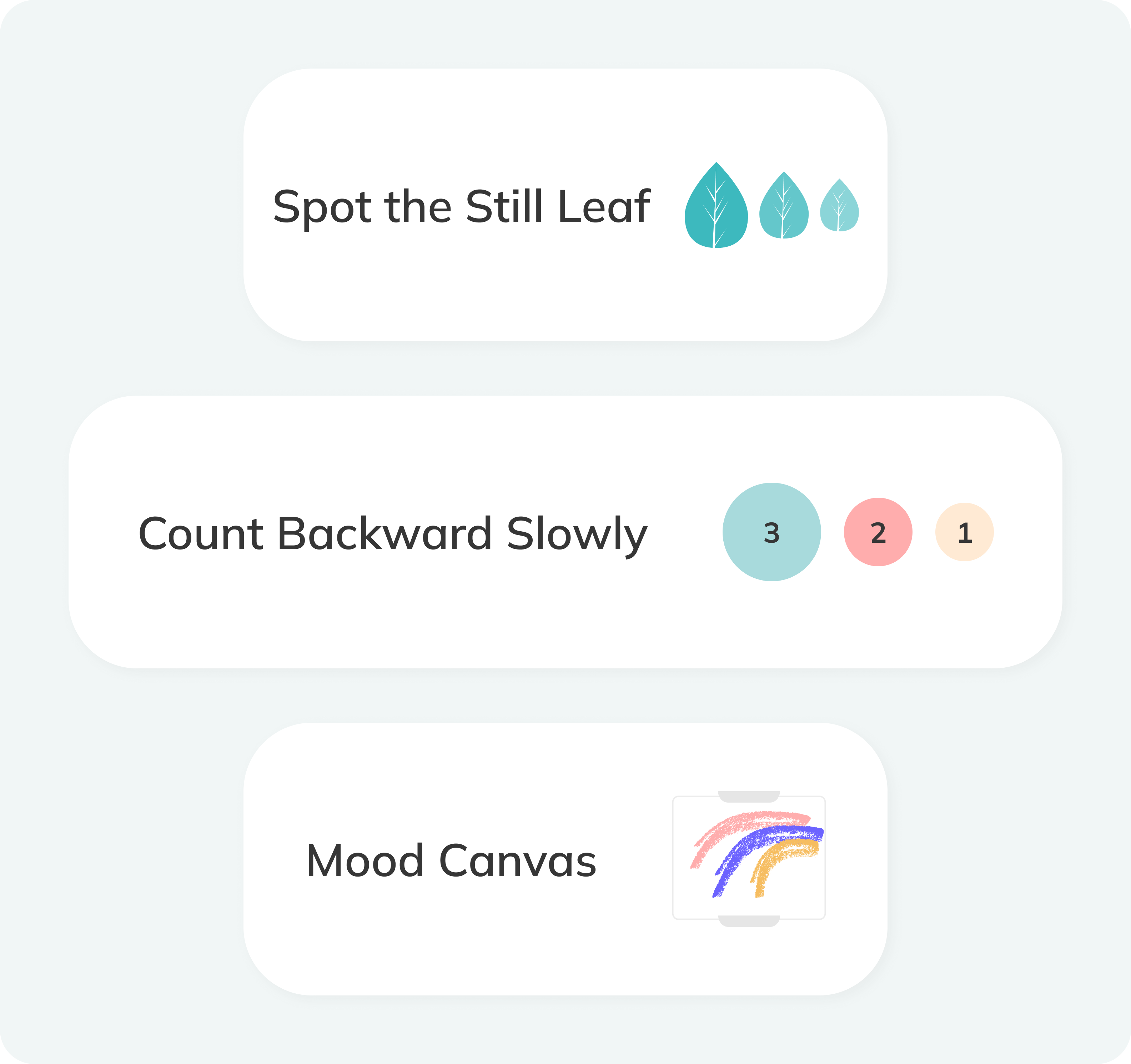
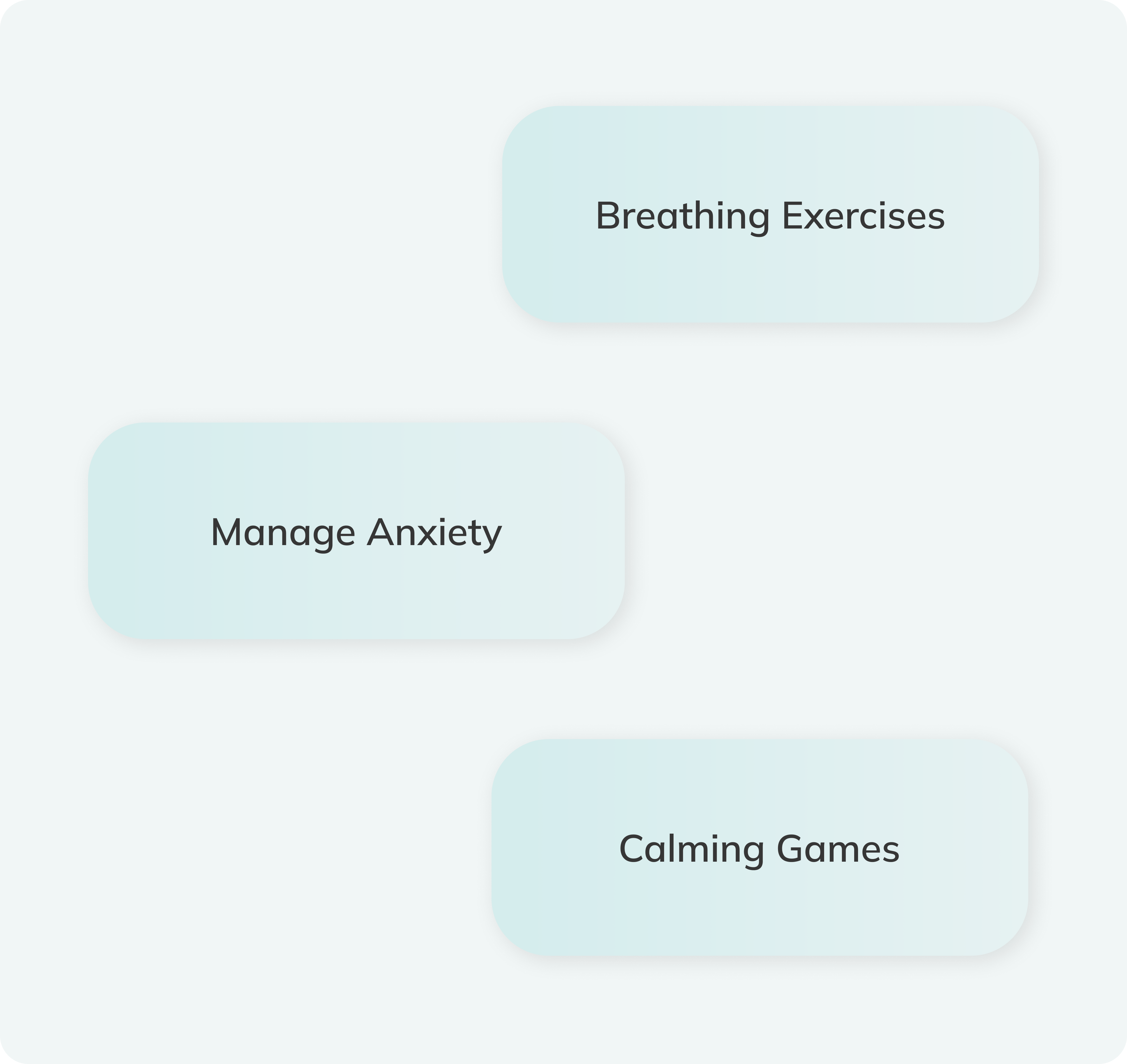
- Calm Zone : Breathing exercises, mindfulness tasks, and sensory games designed for both patients and caregivers.
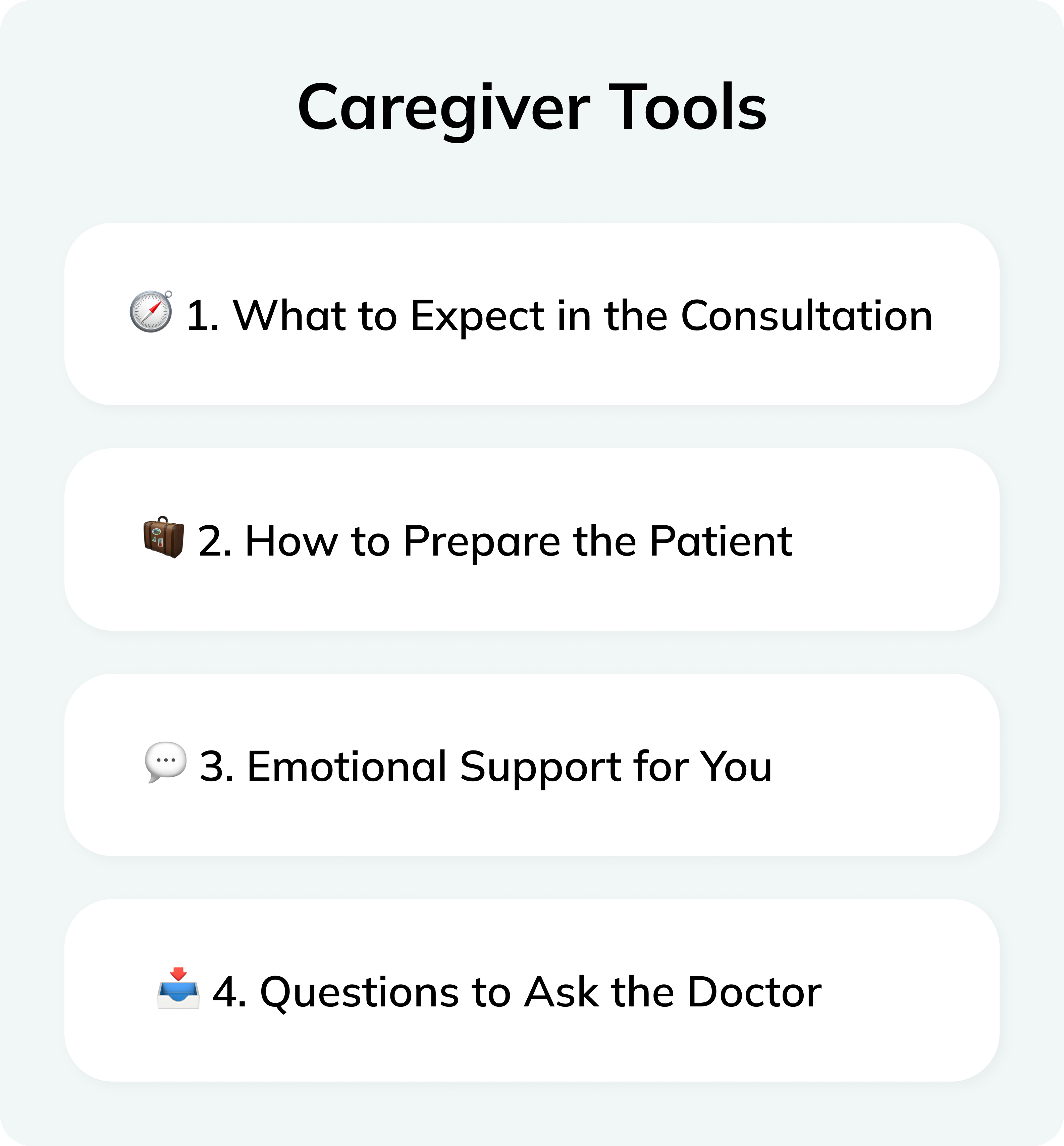
- Caregiver Tools : Information about next steps, how to prep for the consultation, and emotional support tips.
- Manage Anxiety Module : Light-touch check-ins and personalized suggestions based on mood or symptoms.
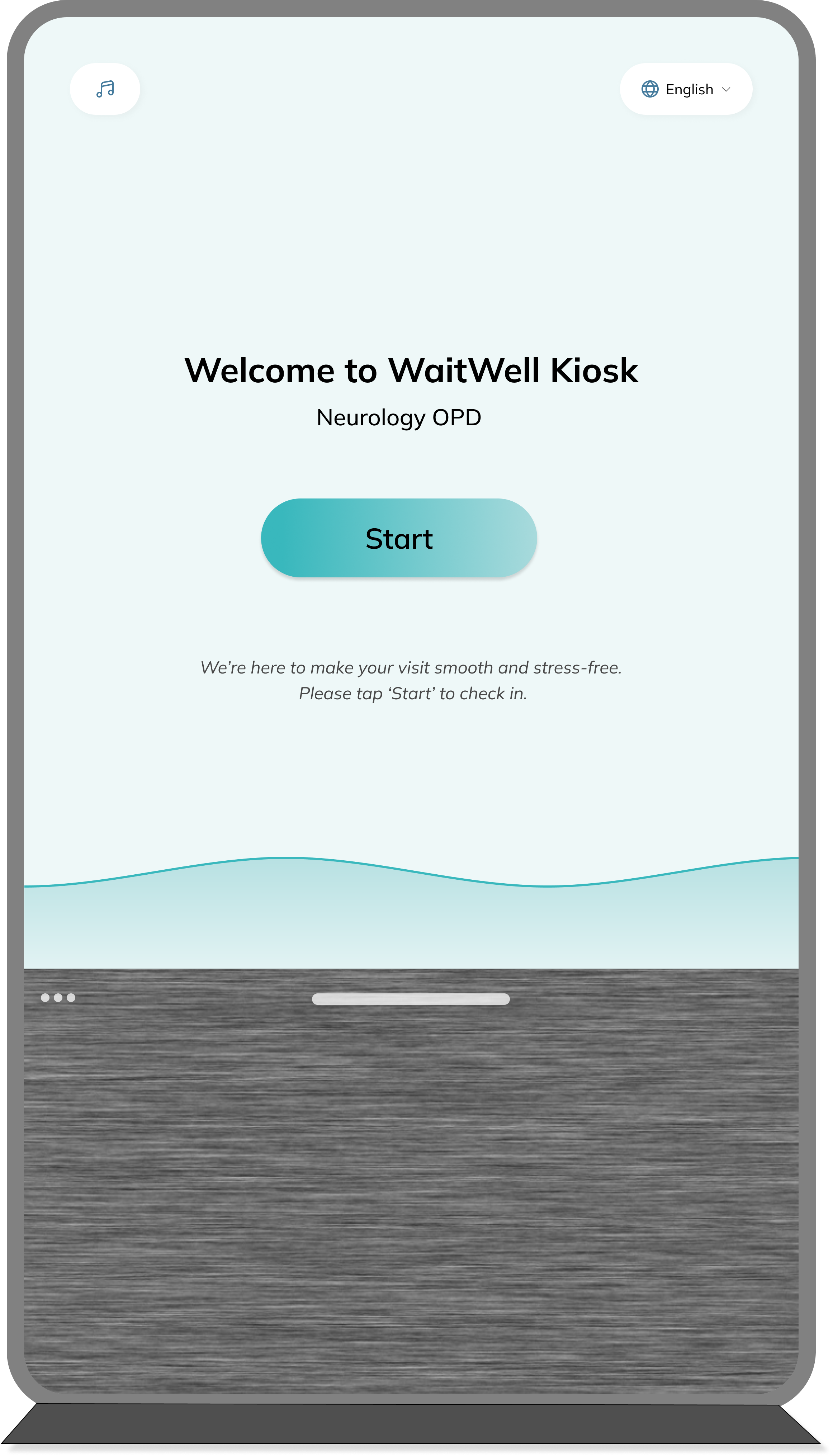
Key Design Features in the Solution
Impact
- If implemented in public and private clinics, WaitWell could: try to reduce anxiety in patients and caregivers in waiting rooms
- Improve consultation readiness
- Offer a more dignified experience for patients with neurological conditions
Reflection
This project taught me that empathy in healthcare UX isn’t just about clean visuals or fast flows it’s about designing for emotions, clarity, and dignity. With WaitWell, I’ve aimed to bring comfort to one of the most overlooked spaces: the waiting room.


